
Digital Marketing
Introduction
The digital revolution has changed the way businesses operate and how consumers interact with brands. In the past, companies relied heavily on television, radio, and newspapers to reach customers. While those methods are still relevant in certain areas, they lack the speed, reach, and personalization that modern businesses demand.
This is where digital marketing comes in. Digital marketing uses the internet, mobile devices, search engines, and social media platforms to connect with customers. It allows businesses to promote products, engage with audiences, and measure results in real time.
With billions of people active online daily, digital marketing is no longer just an option—it has become the backbone of business growth in the 21st century.
What is Digital Marketing?
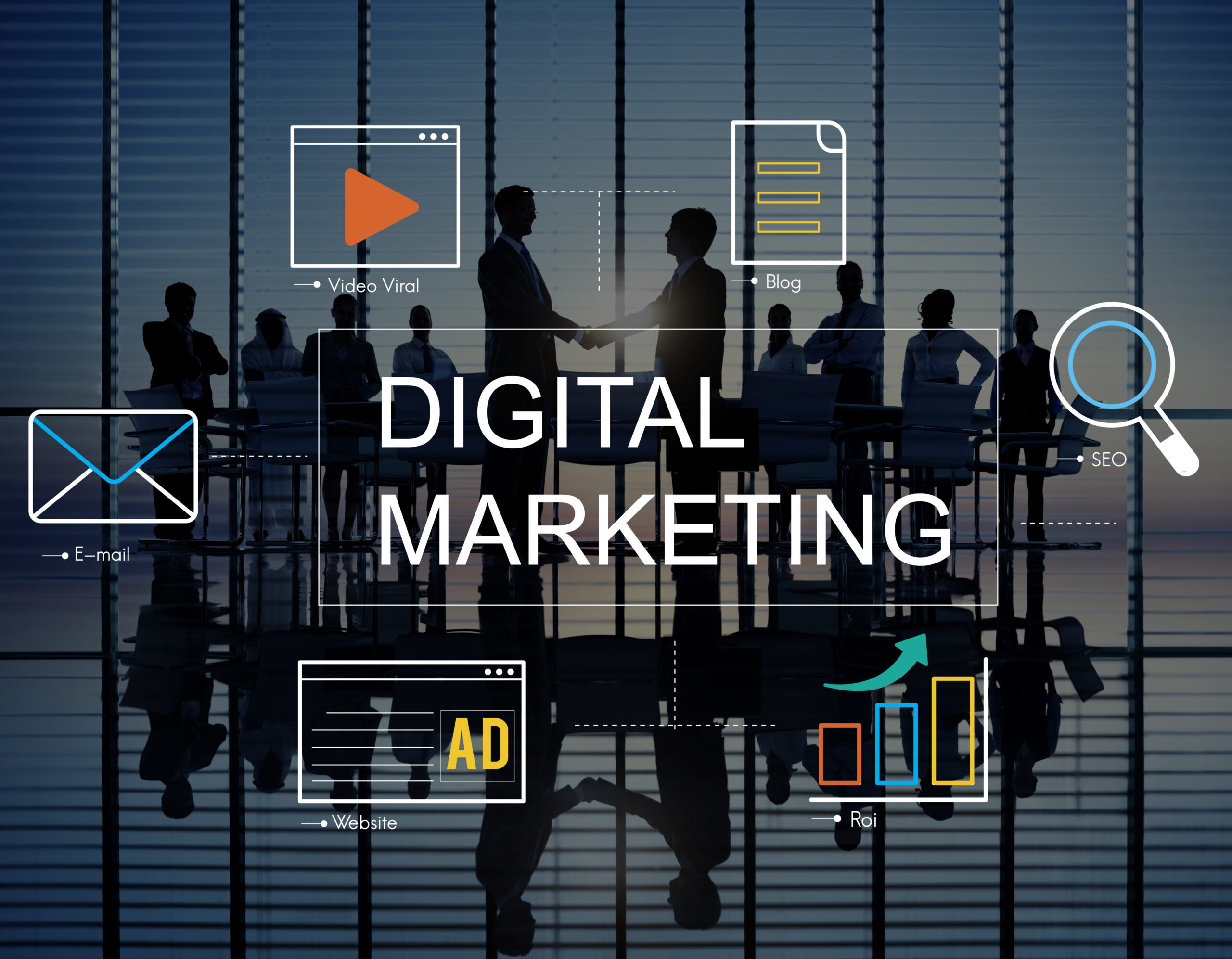
Digital marketing refers to all forms of marketing that use digital channels. From a company website to email campaigns and social media advertising, every online effort to promote a brand or product falls under digital marketing.
It is not just about running ads; it is about building relationships, credibility, and long-term engagement.
Why Digital Marketing is Important for Businesses?
-
Global Reach: A small business can reach international customers without investing huge amounts of money.
-
Cost-Effective: Online campaigns often cost less than TV or print advertising.
-
Measurable Results: Tools like Google Analytics and Facebook Insights provide real-time data.
-
Targeted Marketing: Businesses can focus on a specific group of people based on age, gender, location, or interests.
-
24/7 Availability: A website or social media page never sleeps—it keeps your brand alive round the clock.
Core Components of Digital Marketing
1. Search Engine Optimization (SEO)
SEO is the backbone of digital marketing. It focuses on improving website ranking on search engines like Google.
-
On-Page SEO: Optimizing content, keywords, and meta tags.
-
Off-Page SEO: Backlinks, guest posts, and brand mentions.
-
Technical SEO: Website speed, mobile-friendliness, and structured data.
2. Content Marketing
Content builds trust and authority. High-quality blogs, articles, videos, and infographics not only educate users but also drive traffic. “Content is King” is still true today.
3. Social Media Marketing (SMM)
Platforms like Instagram, Facebook, Twitter, and LinkedIn help brands connect with audiences on a personal level. With creative posts, reels, and live sessions, businesses can build loyal communities.
4. Email Marketing
Email marketing remains one of the most powerful tools. Personalized emails help maintain strong relationships with customers and encourage repeat purchases.
5. Pay-Per-Click Advertising (PPC)
PPC ads appear at the top of search results or on social media feeds. They are highly targeted and provide quick results for businesses.
6. Affiliate & Influencer Marketing
Partnering with influencers or affiliates allows brands to tap into trusted audiences. This method increases credibility and boosts sales.
7. Mobile Marketing
With smartphones being the primary device for internet users, SMS marketing, push notifications, and app-based promotions play a key role.
Emerging Trends in Digital Marketing
-
Artificial Intelligence (AI): AI tools help businesses predict customer behavior and personalize content.
-
Voice Search Optimization: With Alexa and Google Assistant, optimizing for voice queries is becoming essential.
-
Video Marketing: Short videos, reels, and YouTube content are leading in engagement.
-
Personalization: Customers expect personalized recommendations and experiences.
-
Data-Driven Marketing: Decisions are now based on analytics, not guesswork.
Advantages of Digital Marketing
-
Builds stronger brand presence.
-
Allows two-way communication with customers.
-
Increases customer loyalty through personalization.
-
Provides measurable ROI (Return on Investment).
-
Gives businesses flexibility to adapt strategies instantly.
Challenges in Digital Marketing
-
High competition in online space.
-
Constant changes in algorithms (Google, Instagram, etc.).
-
Privacy concerns and data protection laws.
-
Need for skilled professionals and updated tools.
Best Practices for Effective Digital Marketing
-
Understand Your Audience: Research customer needs and behavior.
-
Use Keywords Wisely: Focus on SEO-friendly keywords without stuffing.
-
Leverage Multiple Platforms: Don’t depend only on one channel.
-
Analyze and Improve: Keep tracking results and refine strategies.
-
Focus on Quality Content: Value-driven content always wins.
The Future of Digital Marketing
The future of digital marketing is highly promising. With the growth of 5G, AR/VR, and AI, businesses will have new ways to engage customers. Personalized shopping experiences, immersive advertisements, and automated campaigns will define the next phase.
Digital marketing will continue to evolve, but one thing will remain constant: the importance of connecting with customers in meaningful ways.
Conclusion
Digital marketing is more than just a business tool—it is a necessity in the modern era. Whether you are a small business owner or a global brand, adopting digital marketing strategies ensures growth, visibility, and customer loyalty.
By combining SEO, content, social media, and data-driven strategies, businesses can create powerful campaigns that not only sell products but also build long-term relationships with customers.
In the coming years, companies that embrace innovation, personalization, and technology will dominate the digital marketplace. The key is to adapt, innovate, and connect—because in the digital world, change is the only constant.