
TECHNOLOGY
Technology has become the backbone of modern life. From the smartphones we carry to the artificial intelligence systems transforming industries, every aspect of human activity is touched by technology. The 21st century has witnessed rapid advancements that were once thought impossible—robots performing surgeries, virtual classrooms replacing physical ones, and self-driving cars navigating roads. Technology is no longer just a tool; it has become a lifestyle, a culture, and a driving force for global change. This article explores the impact of technology on different sectors, its benefits, challenges, and the path ahead.
Technology in Communication
One of the most noticeable contributions of technology is the way people communicate. In the past, sending a letter could take weeks, but today, messages travel across the globe within seconds. Platforms like WhatsApp, Zoom, and social media have eliminated barriers of distance, enabling people to stay connected in real time.
The evolution of communication technology has also opened opportunities for businesses. Companies can now hold international meetings virtually, saving both time and money. Social networking has given rise to digital marketing, where brands engage directly with customers. On the other hand, over-dependence on digital communication sometimes reduces face-to-face interactions, raising concerns about the quality of personal relationships.
Technology in Education
Education has undergone a digital revolution. Online learning platforms, digital classrooms, and educational apps have made knowledge accessible to everyone. Students from rural areas who once struggled with limited resources can now access world-class lectures through the internet.
The COVID-19 pandemic highlighted the importance of educational technology (EdTech). Virtual learning became the primary mode of education, proving that technology can ensure continuity even during crises. Tools like interactive whiteboards, e-books, and AI-powered tutors are transforming traditional learning into personalized, engaging experiences.
However, the digital divide still exists. Not all students have equal access to the internet or smart devices, which creates inequality. Bridging this gap is essential for ensuring that technological progress benefits everyone.
Technology in Healthcare
The healthcare industry has been one of the biggest beneficiaries of technological innovation. From diagnostic tools like MRI machines to AI-based predictive analysis, technology saves lives every day. Telemedicine allows doctors to consult patients remotely, breaking geographical barriers.
Robotic surgeries and wearable health devices, such as smartwatches that track heart rate and oxygen levels, empower individuals to take control of their health. Artificial Intelligence helps in early detection of diseases like cancer, increasing the chances of recovery.
Nevertheless, data privacy and cybersecurity in healthcare remain significant concerns. Patient records stored digitally are vulnerable to cyberattacks, highlighting the need for stricter safeguards.
Technology in Business and Economy
Businesses today cannot survive without technology. Automation has increased productivity and reduced costs. Online marketplaces like Amazon and Flipkart have reshaped shopping, making it convenient for customers to buy products with just a click. Digital payment systems such as UPI, PayPal, and cryptocurrency have revolutionized financial transactions.
Startups are thriving because of technology-driven platforms. Cloud computing enables businesses to scale globally without investing heavily in infrastructure. Artificial Intelligence and Machine Learning provide businesses with valuable insights into consumer behavior, helping them design better products and services.
However, with automation and AI, the fear of job loss has also increased. While technology creates new job opportunities, it also eliminates many traditional roles. Preparing the workforce with digital skills is essential to balance this transformation.
Technology and Environment
Surprisingly, technology is also playing a key role in protecting the environment. Renewable energy technologies such as solar panels and wind turbines are reducing dependence on fossil fuels. Smart farming techniques powered by AI and IoT (Internet of Things) help farmers use water and fertilizers more efficiently.
Digital monitoring systems allow scientists to track climate change, measure pollution levels, and develop sustainable solutions. However, the rise of e-waste due to discarded gadgets poses an environmental threat. Responsible recycling and eco-friendly designs are crucial to balance technological growth with environmental preservation.
Technology and Lifestyle
Technology has transformed everyday lifestyle. Smart homes equipped with voice assistants like Alexa and Google Home make life more convenient. Entertainment has shifted from cinema halls to streaming platforms like Netflix and Disney+. Online gaming, virtual reality, and social media have redefined leisure.
On the positive side, people enjoy more comfort and entertainment than ever before. On the negative side, overuse of digital platforms has led to issues such as screen addiction, reduced physical activity, and mental health concerns. Striking a balance is necessary to enjoy the benefits without falling into the trap of over-dependence.
Challenges of Technology
While technology offers numerous advantages, it also brings challenges:
1. Cybersecurity Threats – Hacking, identity theft, and data breaches are becoming common.
2. Privacy Issues – Personal data is often misused by companies or malicious actors.
3. Digital Divide – Not everyone has access to high-speed internet and modern devices.
4. Job Displacement – Automation may replace millions of traditional jobs.
5. Health Impacts – Overexposure to screens causes eye strain, stress, and sleep issues.
Addressing these challenges requires global cooperation, strong policies, and responsible usage.
The Future of Technology
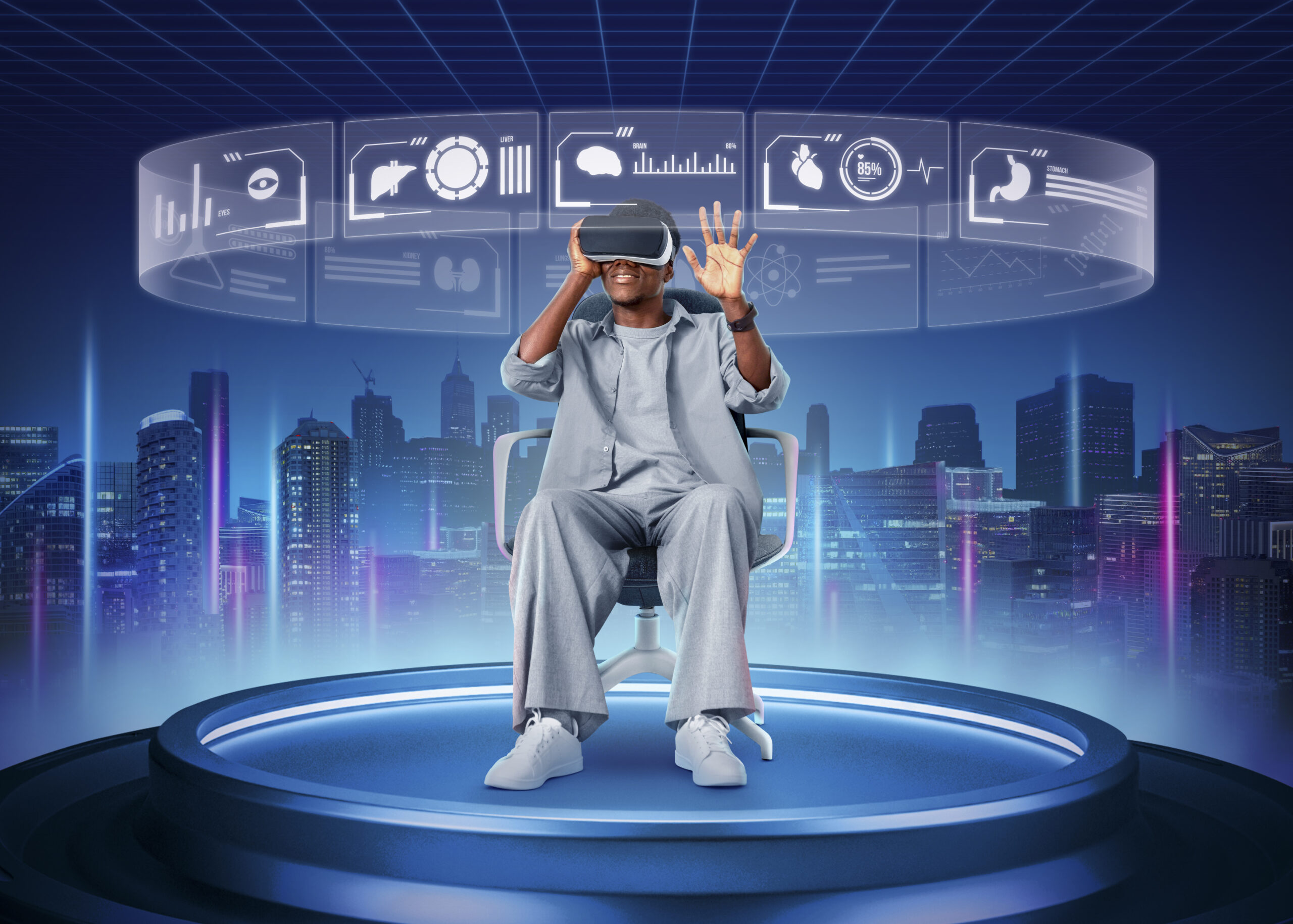
Looking ahead, the role of technology will only grow stronger. Artificial Intelligence, Robotics, Quantum Computing, and 5G are expected to redefine industries. Virtual Reality and Augmented Reality will change the way we work, play, and learn. Space technology may even enable colonization of other planets in the coming centuries.
At the same time, ethical concerns about AI, privacy, and human dependency will need serious attention. The challenge for the future is not just creating advanced technologies but ensuring they are used for the betterment of society.
Conclusion
Technology is a double-edged sword. It has the potential to solve humanity’s biggest problems while also creating new ones. From education to healthcare, business to environment, technology is shaping a new world. The responsibility lies with individuals, governments, and industries to use it wisely, bridging the gap between innovation and ethics.
In the end, technology is not just about machines or software; it is about how humans choose to apply it. If used responsibly, technology can create a future that is smarter, healthier, and more sustainable for generations to come.